Nature's Master Builders
Chandan Singh
| 15-03-2026
 · Animal Team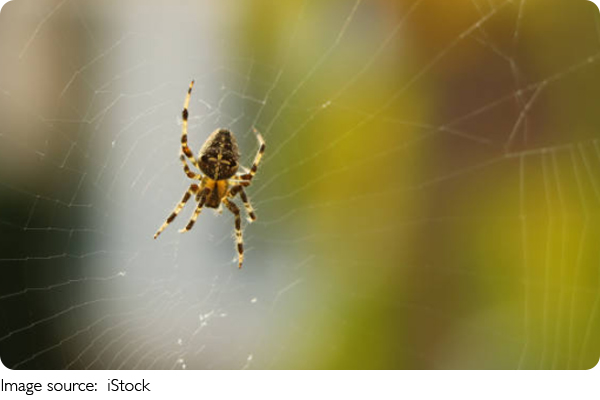
Picture yourself on safari, spotting a tree branch weighed down by dozens of woven baskets swaying in the breeze. At first glance, you might think some local craftsman hung them there.
Then you realize—they're bird nests, each carefully threaded by a tiny feathered architect. Across the natural world, animals design homes and habitats so intricate that they rival human engineering.
These structures are proof that instinct can produce true architectural brilliance.
Weaver Birds: The Basket Makers
Few builders impress more than weaver birds. Males spend weeks threading grass, leaves, and twigs into complex hanging nests. The designs vary: some species craft tube-shaped entryways, while others create rounded “baskets.” Females judge the quality of these nests when choosing a mate, so construction skill directly impacts survival.
What's striking is the detail. Entrances are deliberately narrow to keep predators out, and the materials are woven tight enough to withstand heavy rains. For a creature weighing just a few ounces, these nests are feats of patience and artistry.
Termites: The Skyscraper Engineers
Head into the savannas, and you'll find towering mounds built by termites. Some reach more than 8 meters high, dwarfing many humans. But these aren't random piles of dirt—they're climate-controlled cities. Internal tunnels allow air circulation, keeping temperatures stable for millions of tiny residents.
Inside, chambers serve different purposes: nurseries, fungus gardens, and royal quarters. The mound acts like an organic high-rise with sustainable ventilation long before humans studied “green design.” In fact, modern architects have copied termite mound systems to design energy-efficient buildings.
Honeybees: The Perfect Mathematicians
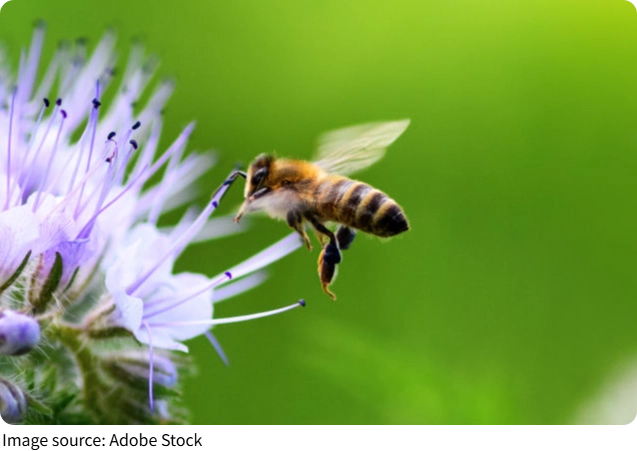
Honeybees are master builders in miniature. Their hives are made of hexagonal honeycombs, a shape proven by mathematics to use the least wax while storing the most honey. This efficiency has fascinated scientists for centuries—Roman scholars already marveled at it.
Every comb cell is uniform, precise, and multipurpose. It holds food, houses larvae, and strengthens the entire hive structure. With thousands of bees working in perfect rhythm, the hive grows into a fortress of cooperation. It's design genius written in wax.
Spiders: Webs as Art and Trap
While less permanent than mounds or nests, spider webs are architectural wonders in their own right. Orb weaver spiders can spin geometrically perfect circles overnight, each strand coated with sticky droplets to catch prey. The strength-to-weight ratio of silk is higher than steel, yet it remains flexible.
What's even more impressive is adaptability. Spiders adjust web size and shape based on wind, light, and available space. Each web is both a hunting tool and a survival shield—an elegant fusion of function and form.
Why These Designs Matter
Across species, three themes appear:
1. Efficiency. Animals use local materials—grass, mud, silk, wax—without waste.
2. Functionality. Every design solves a survival problem: safety, reproduction, or energy conservation.
3. Adaptability. Whether weaving, digging, or spinning, animals modify their structures in response to changing environments.
These designs aren't accidents. They're blueprints written into instinct, refined over millions of years.
Where to See These Masterpieces
• Weaver bird nests are common in African reserves such as Kruger National Park. Entrance fees are around $30–40 per day, and early mornings are best for spotting active builders.
• Termite mounds can be found in savannas across Africa and northern Australia. Dry season (May–October) offers clearer visibility, with some guided tours explaining mound “architecture.”
• Beehives can be observed at apiaries and ecological farms worldwide. Many offer tours for $10–20, where you can safely view hives behind protective glass.
• Spider webs are easiest to find in forests and gardens at dawn, when dew highlights their delicate patterns. Free, and breathtaking if you slow down to notice them.
These encounters make you realize: nature's architecture isn't hidden in textbooks—it's alive all around us.
A Final Reflection
What unites these creatures is not brute strength but creativity shaped by survival. Weaver birds stitch air-tight baskets, termites sculpt ventilated towers, bees engineer honey-filled hexagons, and spiders draw lace in midair. None of them studied design, yet their instincts create beauty with purpose.
Next time you see a bird's nest on a branch or a shimmering spider web at sunrise, pause and appreciate it. You're looking at a masterpiece crafted by some of the world's greatest architects—ones that remind us that design genius doesn't always come with a blueprint.