Wild Irises Care Guide

Caroll Alvarado
| 07-03-2026
 · Plant Team
Walking through a meadow in spring, you might spot clusters of wild irises swaying gently in the breeze.
Their slender leaves and vibrant blooms are a testament to resilience, yet bringing these hardy plants into your garden requires understanding their natural habits.
Proper care ensures that these irises thrive year after year, adding color and texture to any outdoor space.
Choosing the Right Location
Sunlight Requirements
Wild irises flourish in full sun to partial shade. Planting them in locations that receive at least six hours of sunlight per day promotes strong growth and abundant flowering. Too much shade may result in sparse blooms and weak stems.
Soil Preferences
Well-draining soil is essential for wild irises, as excessive moisture can cause root rot. Sandy or loamy soil enriched with organic matter provides nutrients while preventing waterlogging. Avoid heavy clay soils unless amended to improve drainage.
Spacing and Airflow
Proper spacing allows air to circulate between plants, reducing the risk of fungal diseases. Plant rhizomes at least 12 to 18 inches apart to give each iris room to grow and develop fully.
Planting and Establishment
Rhizome Preparation
Before planting, inspect rhizomes for signs of damage or disease. Trim any soft or rotten sections to encourage healthy growth. Placing rhizomes horizontally in shallow trenches just beneath the soil surface helps establish strong root systems.
Watering During Establishment
After planting, water the irises thoroughly to settle the soil around the rhizomes. Maintain moderate moisture for the first few weeks while roots develop, then reduce watering as the plants become established to mimic their natural conditions.
Mulching
A thin layer of mulch around the base of each plant helps retain soil moisture, suppress weeds, and regulate temperature. Avoid piling mulch directly on top of the rhizomes, as this can lead to rot.
Ongoing Care and Maintenance
Seasonal Watering
Wild irises are drought-tolerant once established but benefit from occasional deep watering during dry spells. Overwatering can weaken rhizomes, so adjust the schedule based on rainfall and soil conditions.
Fertilization
Applying a balanced fertilizer in early spring encourages lush growth and abundant blooms. Avoid excessive nitrogen, which can promote leaf growth at the expense of flowers. Light, periodic feeding throughout the growing season supports overall plant health.
Pruning and Deadheading
Remove faded flowers to prevent seed formation, which can drain energy from the rhizomes. Trim back yellowing or damaged leaves at the end of the growing season to maintain tidy foliage and reduce the risk of pests and disease.
Protecting Against Pests and Disease
Common Pests
Slugs, snails, and certain insects can damage leaves and flowers. Regular inspection and removal of pests by hand or using barriers can protect plants without the need for harsh chemicals.
Fungal Issues
Fungal diseases, including leaf spots or rot, may develop in overly damp conditions. Ensuring proper spacing, good drainage, and airflow helps minimize fungal problems. Remove any affected foliage promptly to prevent spread.
Winter Care
In colder regions, wild irises benefit from a light mulch layer to insulate rhizomes. Remove the mulch in early spring to allow shoots to emerge and prevent moisture accumulation that could cause rot.
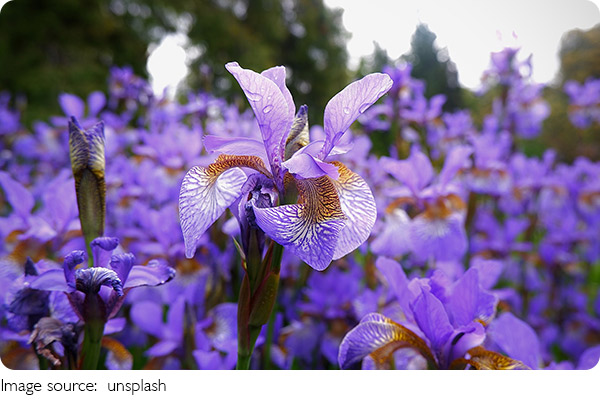
Wild irises combine rugged resilience with natural elegance, but they thrive best when their needs are respected. By selecting a suitable location, providing proper soil and spacing, and following a careful routine of watering, fertilization, and pruning, these plants reward gardeners with vibrant blooms year after year. Watching them flourish, you gain a deeper appreciation for both their natural strength and the satisfaction of nurturing life from the ground up.