Fiddle Leaf Fig
Ethan Sullivan
| 06-03-2026
 · Plant Team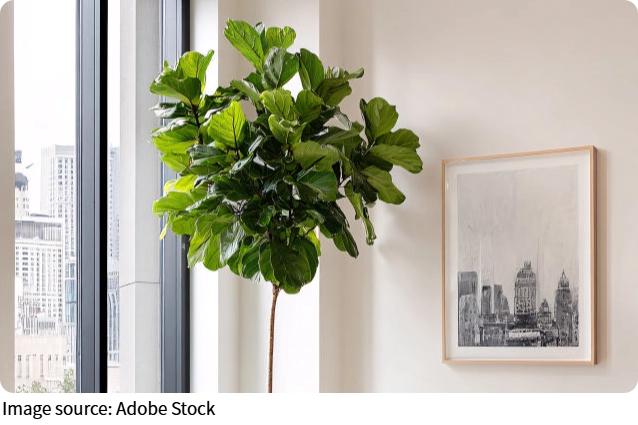
If we’ve ever scrolled through social media, we’ve probably seen those perfectly lush fiddle leaf figs (Ficus lyrata) that make any living room look instantly elegant.
Their wide, violin-shaped leaves give them an unmistakable charm. Naturally, many of us are tempted to buy one, imagining it will thrive indoors just like the photos. But reality can be trickier than we think.
Why Fiddle Leaf Figs Can Struggle Indoors
Many of us have faced disappointment when our newly purchased fiddle leaf fig starts dropping leaves, developing yellowing patches, or worse, black spots that gradually make the whole plant look sad. The truth is, these issues aren’t because of neglect—they’re often due to the indoor environment itself. Fiddle leaf figs love sunlight, lots of it, and our indoor living rooms often fall short of what they truly need.
Fiddle Leaf Fig’s Family Secret
Interestingly, fiddle leaf figs are close relatives of fig trees, which explains their need for warmth and sunlight. They produce fruit similar to figs, though it’s rare for most of us to ever encounter them. Their natural environment is outdoors, with plenty of sun and good air circulation—a far cry from many indoor settings.
First Major Drawback: Light Requirements
Fiddle leaf figs need at least 6–8 hours of direct sunlight daily. When we try to grow them indoors as decorative plants, they often struggle. Those gorgeous indoor photos we see online? Most of those plants were raised outdoors in full sun and only temporarily moved inside for the photo.
Even adding bright artificial lights or filtered sunlight indoors usually isn’t enough. Without sufficient light, these plants weaken, leaves droop, and pests or diseases can appear.
Risks of Online Shopping
Buying fiddle leaf figs online can be risky. Slow shipping or delivery to remote areas may result in the leaves getting damaged before they even arrive. However, if we have an outdoor space with ample sunlight and airflow, purchasing online isn’t as problematic. A plant that arrives a bit stressed can bounce back quickly in the right environment.
Second Major Drawback: Sensitivity to Cold
Fiddle leaf figs also dislike cold. They thrive in consistently warm environments, and temperatures below 7°C can cause leaf yellowing and dropping. If it gets below 5°C, even a strong, healthy plant can suffer frost damage, leading to drooping leaves and potential leaf loss.
Recovery Tips for Winter
If we notice that our fiddle leaf fig has dropped all its leaves during winter, it doesn’t mean it’s dead. By moving it to a warmer, sunlit area in spring and checking that the base of the stem and branches are still green, we can encourage new growth. The key is patience and consistent care—once the plant warms up and receives enough light, new leaves will gradually appear.
Indoor Care Tips
For indoor plants, we should avoid leaving water on the leaves, as moisture can promote leaf spot disease. Spraying a mild fungicide once in a while can help prevent infections. Red spots on leaves may appear occasionally, but unless they’re widespread, this is normal.
Watering and Soil Considerations
During cooler months, we should reduce watering, especially if temperatures drop below 18°C. Small potted fiddle leaf figs usually do well in peat-based soil with perlite, while larger plants benefit from a mix of clay, coarse sand, and organic compost. Each spring, we can refresh the soil with peat, coconut coir, or perlite to improve aeration and drainage, helping the plant grow healthier while preventing root rot.
Let’s Keep It Thriving!
Lykkers, the main reasons fiddle leaf figs struggle are usually not about overwatering or lack of fertilization. Most often, it’s insufficient light and sensitivity to cold that cause leaves to yellow, droop, and fall. By understanding these two major drawbacks, we can make smarter choices about where and how to care for this iconic plant.
With the right environment and a little patience, our fiddle leaf fig can bounce back, grow lush new leaves, and continue to be the living centerpiece that brightens our home.