Maximize Small Spaces

Owen Murphy
| 04-03-2026
 · Lifestyle Team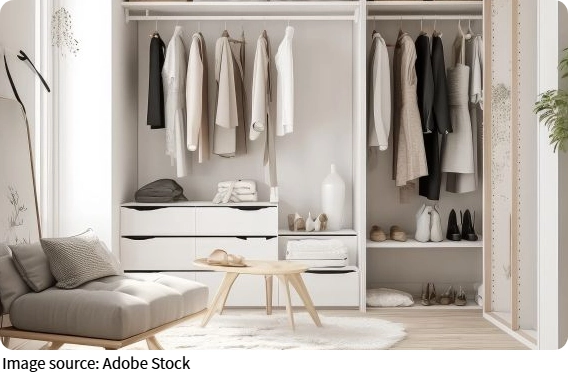
You set your keys down on the only clear surface in the room, and suddenly the space feels smaller than it did five minutes ago.
A chair blocks the walkway. Storage bins peek out from under the bed. The room isn't messy—it's just tight. Designing a small space isn't about squeezing in more furniture. It's about making every square meter serve a purpose.
Maximizing a compact home comes down to one principle: intentional design. When layout, storage, and light work together, even a modest apartment can feel open and breathable.
Design for Function First
1. Define Clear Zones
In small spaces, overlap creates clutter. Even in a studio layout, define separate areas for sleeping, working, and relaxing. A slim bookshelf can act as a divider between a bed and a desk. A rug can visually anchor a seating area. Clear zoning prevents the room from feeling like a single crowded box.
2. Choose Multi-Functional Furniture
Every piece should earn its place. A sofa bed allows a living room to convert into a guest space. A dining table with built-in drawers provides hidden storage. Nesting tables can expand when needed and tuck away afterward. These pieces reduce the need for additional bulky items.
3. Measure Before You Buy
A sofa that looks compact in a showroom may dominate a 12-square-meter room. Always measure floor dimensions and consider circulation paths. Leave enough clearance for comfortable movement through main pathways, especially around doors and high-traffic areas.
Use Vertical Space Strategically
1. Install Tall Storage Units
Walls are often underused. Floor-to-ceiling shelving increases storage without consuming additional floor area. Tall cabinets draw the eye upward, making ceilings appear higher.
2. Mount Instead of Place
Wall-mounted desks, floating shelves, and mounted lighting free up valuable floor space. A wall-mounted television eliminates the need for a media console, reducing visual weight.
3. Optimize Door and Corner Areas
Over-the-door hooks and corner shelves transform overlooked areas into practical storage. Even a narrow 20-centimeter gap can hold a slim rolling cart for pantry or bathroom supplies.
Light and Color Matter More Than You Think
1. Choose Light Color Palettes
Soft neutrals, whites, and pale grays reflect light, creating an illusion of openness. Dark tones can work as accents but may visually shrink a room if overused.
2. Maximize Natural Light
Avoid heavy curtains that block daylight. Sheer panels allow light in while maintaining privacy. Mirrors placed opposite windows amplify brightness and create depth.
3. Layer Artificial Lighting
Relying on one ceiling light flattens the room. Combine overhead lighting with floor lamps and wall sconces. Multiple light sources reduce shadows and visually expand the space.
Declutter with Purpose
1. Apply the One-In, One-Out Rule
For every new item brought in, remove one existing item. This simple rule prevents accumulation and maintains balance.
2. Hide Visual Noise
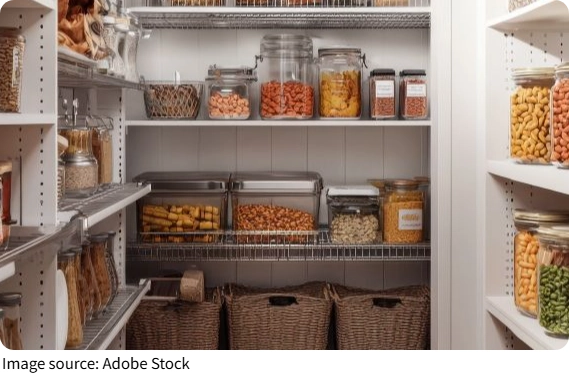
Closed storage keeps the eye from feeling overwhelmed. Use baskets, drawer organizers, and cabinets to conceal everyday items. Clear surfaces make rooms feel instantly larger.
3. Keep Decor Intentional
Instead of many small decorations, choose a few impactful pieces. One large artwork creates a stronger focal point than several small frames scattered across a wall.
As home stager Cathy Hobbs puts it, “In small interiors, less is more.”
Small Doesn't Mean Limited
A compact home can feel thoughtful rather than cramped when design choices are deliberate. Space is not only about square footage—it is about flow, light, and efficiency. When furniture serves multiple roles, storage climbs vertically, and clutter stays controlled, the room begins to breathe.
The goal is not to make a small home pretend to be large. It is to make it work intelligently. Stand in your room, look at each object, and ask what role it plays. When every item has purpose, even the smallest space can feel expansive.